

Dissipation

Srinagar
August, 2021
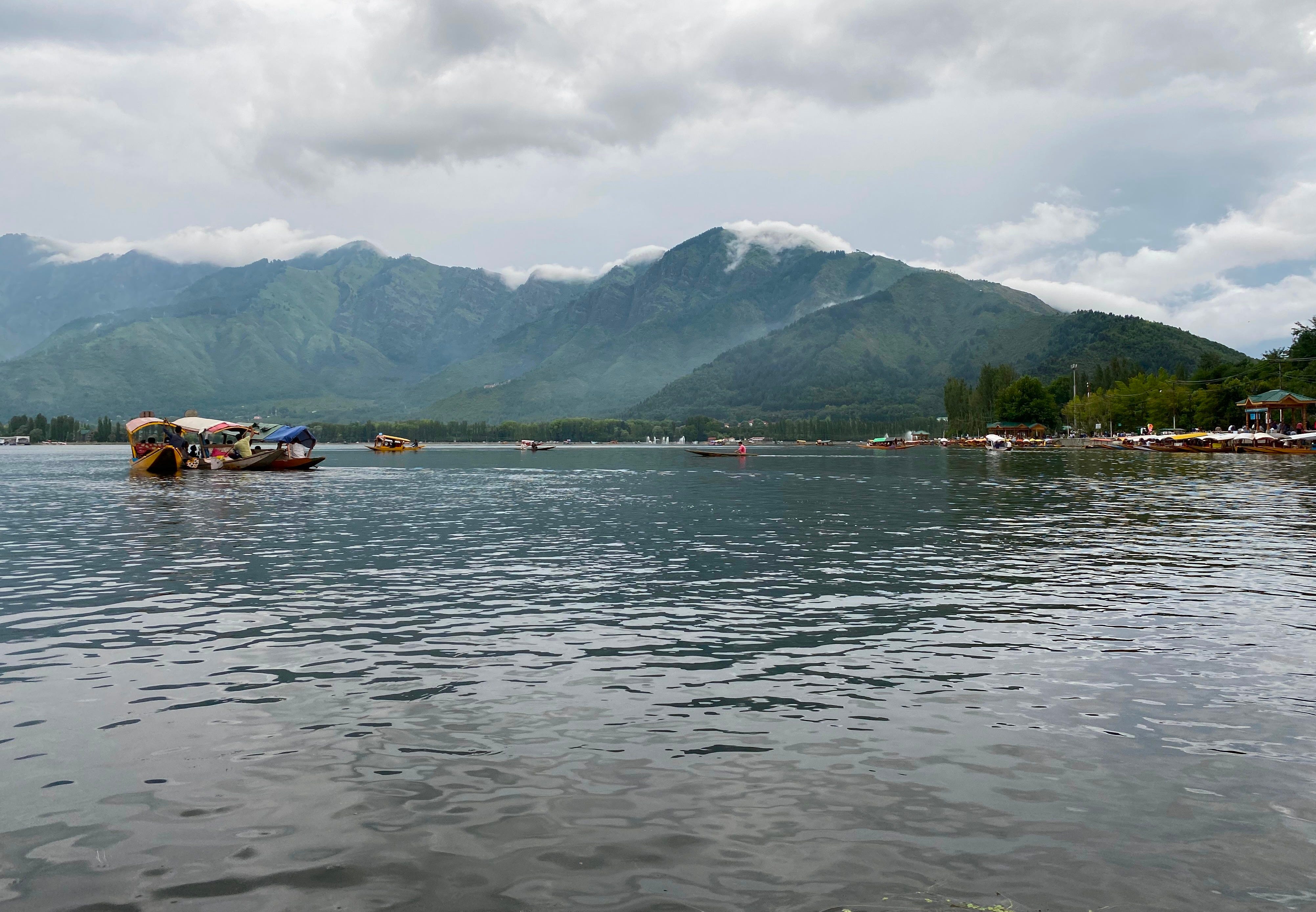
I was sitting in my houseboat hotel on Dal Lake after reporting all day, and I found myself with a couple unexpected hours of nothing to do. I watched oarsmen paddle shikaras past my window for a while, and then I walked to the front of the boat and clambered into the next one that came by.
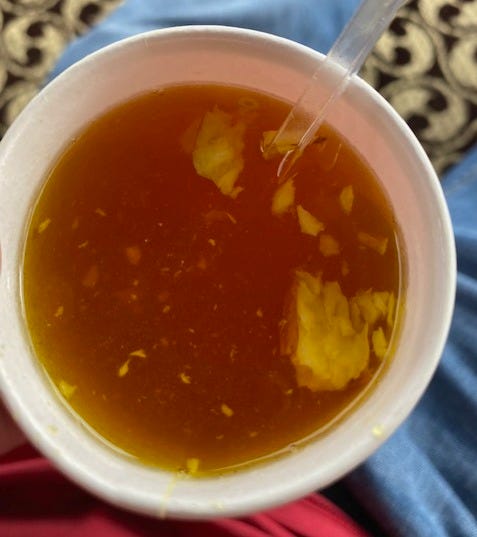
Being a tourist in a shikara (think of them like gondolas) is mostly about fending off dozens of floating vendors trying to convince you to part with just a little more cash. Men paddled up and implored me to peer inside their coolers full of water, coke, and chocolate-coated ice cream bars. Another guy had so many rugs draped across his narrow boat that I wasn’t sure how it was still floating. Even if I’d wanted one, I don’t know how I would have dragged it over to my side without dipping it into the lake or flopping into the water myself. I did buy a small paper cup of golden kahwa tea from a boxy little lodge that seemed to be a permanent fixture somewhere about the center of the lake. It tasted like honey with a hint of almond milk.
Maybe the constant nagging would have gotten to me if the lake itself hadn’t absorbed so much of my attention. The honking and chatter of the city softened as my guide and I drifted farther from shore. The lake’s light ripples soaked in the blue-green of the mountains that rose from the opposite bank like the ridge of a bowl. Clouds frothed over hilltops like foam atop a cup of coffee.
I looked across the water at the couples and groups of friends slowly walking their way around the shore. Indian cities aren’t known for giving people many places where they can walk without being cut off by a swerving motorbike or potentially flattened by a lumbering bus, but urban bodies of water – the surviving ones – are a kind of natural bulwark against modernity’s relentless intrusions. Think of the crowds along Marine Drive in Mumbai or the lake at the center of Kodaikanal. Dal Lake gives the same thing to Srinagar, but it will only be able to keep doing so if it survives the many ways in which that relentless modernity has begun to creep inside its waters.
Shops and houseboats dump human waste into the water, turning parts of the thing that allows them to exist into a cloudy, noxious soup. Weeds feast on that sort of junk, and now they poke through the surface in thick patches, choking off the water’s oxygen and catching shikaras in their clumps. Dal Lake’s famous floating vegetable gardens use more synthetic fertilizer than they ever have, poisoning the water and sickening the fish that many people in Srinagar still catch to earn a living. Water quality tests have lately shown a frightening amount of lead and other metals, which may be why so many Kashmiris have recently come down with gastrointestinal cancer. So much construction silt slides into the water that parts of the lake have lost half their depth. A shallower lake lends itself more easily to evaporation, especially in Summers that are always getting hotter.
Dal Lake so dominates the physical and spiritual core of Srinagar that, if it dried up, the character of the city would desiccate along with it, but while not every city has a lake or a river that comes to mind as soon as you say its name, Dal Lake’s problems can be found across many of the world’s urban bodies of water. As the planet becomes more dominated by cities and those cities become ever more packed with people and their accoutrements, lakes, rivers, and ocean coastlines will be among the few spaces that offer a cooler place to breathe cleaner air, see a little part of the world that wasn’t built by humans, and think without interruption. They also do a lot for, like, drought and flood prevention, but I think I’ve already written about that in some other blog.
In South India, organizations in some of the bigger cities are at least starting to realize that maybe all lakes shouldn’t be filled in with truckbeds of rubble until a wannabe real estate mogul can build a shoddy four-story apartment building on top of them. Chennai’s Care Earth Trust has been reviving lakes and marshes for the whole of the 21st century, and in Bangalore, even the municipal government has recently gotten involved in returning seven of the city’s lakes to something like their natural state. If even they think urban lives are now filled with too much concrete, that gives me a bit of hope that future cities might be a little more blue.